


Strengthening Social Economy for Innovative and Resilient Regions
About
SOCRATES will support the first theme and priority (scope) of the call SMP-COSME-2021-RESILIENCE-SEM Social Economy Missions for community resilience “Improving business environment and supporting sustainable business models based on social economy” through transnational social economy missions for interregional mutual learning and exchange of good practices on enabling supportive business environment for the social economy.
Local action plans of the social economy will be elaborated in collaboration with relevant social economy stakeholders (e.g., public administration, civil society, SMEs, and business community) to raise the social economy’s awareness, visibility, and recognition. Nevertheless, the project will formulate replicable recommendations to enable the local social economy ecosystem, improve the legal, policy, and regulatory frameworks, access finance, and strengthen public-private dialogue. Therefore, the project will reinforce the local social economy’s resilience and support the social economy’s twin transition towards sustainability, aligned with the 2030 Agenda for Sustainable Development.

Topic
Improving business environment and supporting sustainable business models based on social economy

Local Acion Plan for the Social Economy

Access to market and funding

Social innovation and technologies

Sustanable buisness models

Vision
The vision of SOCRATES is to improve the business enviroment for social economy by:
- raising the awareness and promoting social economy for improved welfare of the local community,
- preparing suitable themes for regional development programs
- creating local action plans for social economy in the frame of municipalities, considering the needs and expectations of the local stakeholders.
Objectives
Through a strong partnership with cross-border municipalities from Slovenia (Municipality of Novo
mesto, region of Jugovzhodna Slovenija/Southeast Slovenia) Poland (City of Poznan, region
Wielkopolska/Greater Poland) Hungary (region Hajdu Bihar), and Croatia (City of Zagreb, region Zagreb),
we will boost territorial resilience and empower local social economy stakeholders to build an efficient
ecosystem and supportive business environment, contributing to inclusive growth and fair recovery,
thus supporting the Single Market Programme objectives.
The specific project objectives are:
Develop transnational collaboration between social economy stakeholders from Slovenia, Poland, Hungary, and Croatia to improve the business environment, promote the internationalization of social enterprise, and raise the awareness of available EU support.
-
Foster mutual learning, sharing, and replicating good practice at the regional and transnational level in enabling business environment and creating appropriate sustainable business models for social economy through three thematic Social Economy missions.
Promote social entrepreneurship
-
Promote social entrepreneurship as a sustainable business model contributing to growth, jobs, and social inclusion to build local welfare and resilience.
Develop four local action plans
-
Develop four local action plans to improve the business environment and support sustainable business models based on social economy in collaboration with existing social economy stakeholders at the regional and local levels.
Partnership
Project coordinator: Municipality of Novo mesto and Development Centre Novo mesto Project partners: City of Zagreb, City of Poznan, Hajdú-Bihar County,Impact Hub Zagreb, Impact Hub Budapest
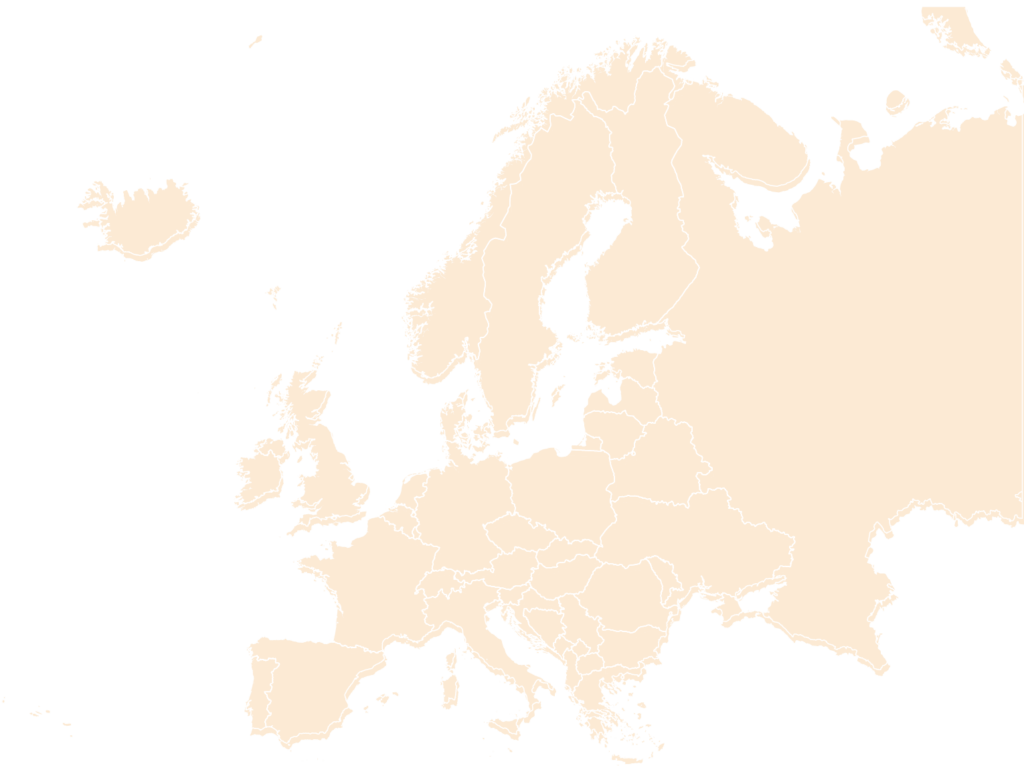
Click on the map to discover the included regions.
Add Your Tooltip Text Here
Add Your Tooltip Text Here
Add Your Tooltip Text Here
Add Your Tooltip Text Here
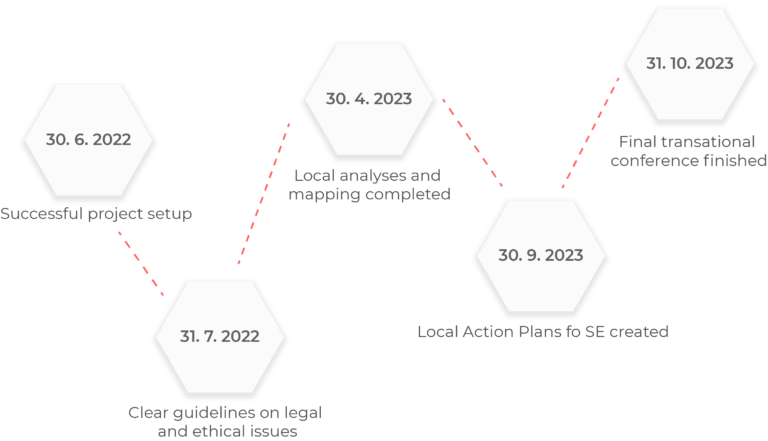
Project timeline
Facebook
Instagram
Linkedin
CONTACT
socrates@rc-nm.si
SOCIAL
This project has received funding from the European Union’s Single Market Programme (SMP COSME) under grant agreement N°101074095

Funded by the European Union. Views and opinions expressed are, however, those of the author(s) only and do not necessarily reflect those of the European Union or EISMEA. Neither the European Union nor the granting authority can be held responsible for them.
©SOCRATES | Privacy Policy